
Dental Implants in Weston
Our Experts Replace Missing Teeth Seamlessly
Your smile is one of a kind, and its well-being contributes to not only your health and confidence, but your overall quality of life. When a serious problem like tooth loss strikes, you don’t want to trust it in the hands of just anyone. That’s where Weston Dental Specialists Group comes in.
Our team of board-certified prosthodontists understands the art and science behind replacing missing teeth better than anyone. That’s why we use state-of-the-art dental implants in Weston to bring back lifelike, long-lasting smiles that not only look amazing, but also have the function and stability needed to keep you thriving for decades.
If you’re ready to get back to your best life with a dental office that is always operating at the highest possible level, contact us today.
Why Weston Dental Specialists Group?
- Team of Highly Trained Prosthodontists
- Every Stage of Dental Implant Care in One Office
- Custom Restorations Crafted in On-Site Lab
What Are Dental Implants?
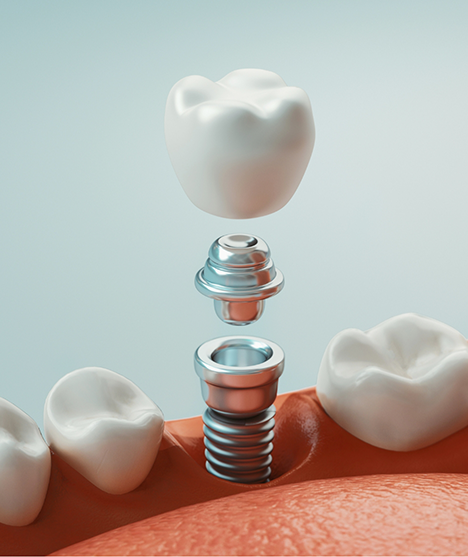
There are three main parts of a dental implant: the post, the prosthesis, and the abutment. The post is surgically inserted into the jawbone, allowing it to fulfill the same functions as your natural tooth root. Meanwhile, the prosthesis is the custom crown, bridge, or denture that will be used to replace the visible part of the missing tooth. Finally, the abutment is the metal connector piece that will keep your prosthesis firmly anchored to the implant posts so that it doesn’t slip or become loose.
Who Can Dental Implants Help?

Dental implant treatment can look different from patient to patient depending on a few factors, such as the health of the jawbone, the presence of conditions such as gum disease, and how many new teeth/implants are needed.
Missing One Tooth
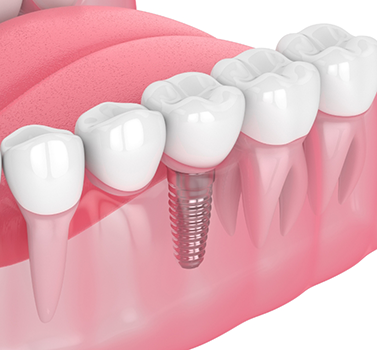
Instead of having to make space for a traditional denture or bridge, we can fill the gap left by individual teeth with a single dental implant. This implant will be outfitted with a dental crown that blends in with the rest of your smile.
Missing Multiple Teeth
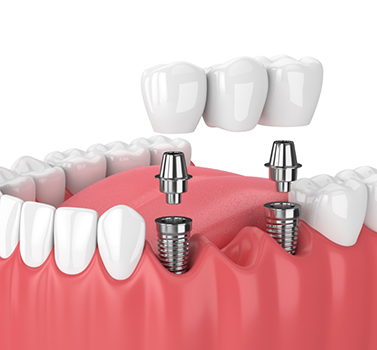
In many cases, there’s no need to replace every lost tooth with its own individual dental implant. If several teeth in a row require rebuilding, we can use a small number of implants to support a custom dental bridge. Implant-retained partial dentures can also fill multiple gaps in a patient’s smile securely.
Missing All Teeth
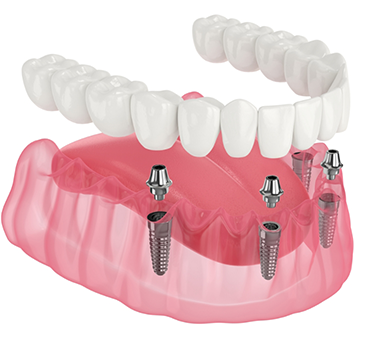
Implant dentures can be supported by anywhere from four to eight dental implants placed in order to rebuild the entire top or bottom row of teeth at once. These custom, high-quality prosthetics can be designed by our prosthodontists to be fixed or removable.
Our Dental Implant Process
Many other dental offices offer only parts of the dental implant process, causing the patient to have to travel to multiple offices and work with unfamiliar dentists and staff. At Weston Dental Specialists Group, we’ve already got all the expertise and specialty care you need in one office for your convenience and comfort. From the initial consultation to the final placement of your brand-new smile, our team will handle everything.
Initial Dental Implant Consultation

At your initial dental implant consultation, our team will complete a thorough examination of your mouth. We’ll confirm how many teeth need to be replaced and take a look at all of the relevant facial structures. Then we’ll help you determine whether dental implants are the best option for revitalizing your smile. We will also confirm whether any preliminary procedures are needed before we can move on to the next stage of the dental implant process, such as bone grafting and/or gum disease treatment.
Dental Implant Surgery
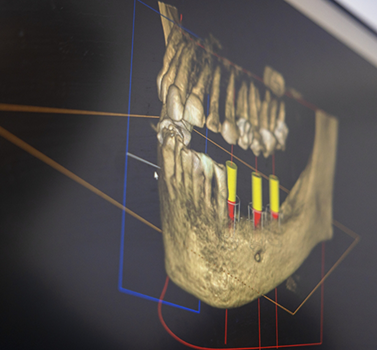
For the sake of your comfort, we’ll begin your dental implant surgery by numbing your mouth with a local anesthetic. Then we’ll create a small incision in your gums so that we can work with the underlying bone. The implant posts will be inserted at precisely chosen locations in your jaw at specific angles. Once all the posts are in place, your gums will be sutured shut so that they have a chance to heal. Protective caps will be attached to the implants; this keeps the posts safe and helps the gums maintain their shape.
Dental Implant Osseointegration & Abutment(s)
After you receive dental implants, a natural process known as osseointegration will begin. This is when the implant posts gradually fuse with the jawbone over the course of several months. Without osseointegration, your dental implants would lack the stability necessary to support a prosthesis. Our team will give you advice on taking care of your mouth to ensure this goes smoothly.
Once osseointegration is done, you can receive your abutments. These are metal connector pieces that will ultimately be responsible for anchoring your replacement teeth to your implant posts. Placing the abutments will require a second surgery, albeit a smaller one.
Delivery of Dental Implant Restoration(s)
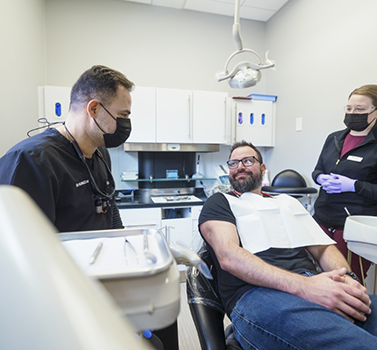
Our team will need to take impressions of your mouth after the abutments have been attached to the implant posts. These impressions will be used to design your new prosthesis in our world-class lab, which could be a crown, a bridge, or a denture based on the extent of your tooth loss. At your final appointment, the new prosthesis will be secured to the implants, thus finally completing your new smile. Our team will make any necessary last-minute adjustments to make sure your bite is comfortable.
Benefits of Dental Implants
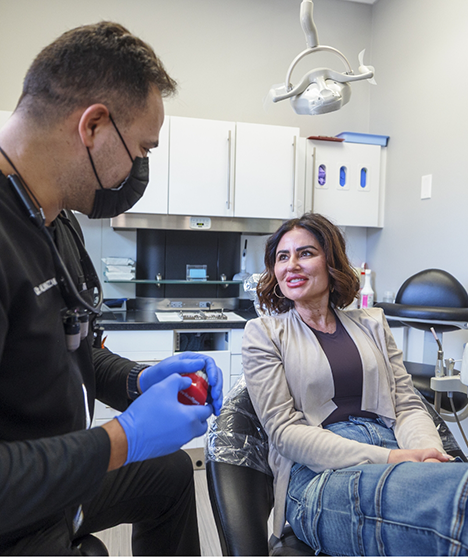
Compared to other forms of tooth replacement, dental implants most closely resemble your real teeth in terms of appearance and function, offering outstanding stability and strength. Because they replace every part of the natural tooth, not just the visible crown, they also deliver valuable, long-lasting health benefits that will last for many years to come.
Day-to-Day Benefits
- Eat Most Foods: Since dental implants have chewing power that’s almost on par with that of natural teeth, they’re able to handle most foods. This means you’ll be able to eat almost anything you want, including foods that might give traditional denture-wearers trouble.
- Improve Your Confidence: Dental implants don’t just look natural; they feel natural as well. As such, you won’t have any reason to hesitate when it comes to showing off your smile in professional and social settings.
- Easier to Speak Clearly: Tired of your dentures slipping when you’re trying to talk? Dental implants always stay firmly in place, so they won’t interfere with your ability to speak in a way that’s easily understood.
- Simple to Take Care Of: Maintaining your dental implants isn’t as complicated as you might think. In fact, you can give them the same kind of care you would give your natural teeth (as in brushing twice a day, flossing regularly, and so on).
Health Benefits
- Prevent Bone Loss: Dental implants can stimulate your jawbone the same way that natural teeth can. As such, they can prevent bone loss in your jaw and help you avoid unwanted changes to the overall shape of your face.
- Stop Dental Drift: Your teeth can potentially drift out of position if there’s empty space in your mouth. Fortunately, dental implants can be used to completely fill in any gaps left by missing teeth. This helps ensure that the rest of your smile stays properly aligned.
- No Changes to Existing Teeth: A traditional dental bridge needs to be attached to two of your natural teeth, but this can only be done after a small amount of enamel has been removed. Meanwhile, dental implants are placed directly into your jaw, so there’s no need to make alterations to the teeth you still have.
Long-Term Benefits
- Highly Successful: Dental implant failure is very rare. The success rate of the procedures is 95%, even 10 or 20 years after the initial placement.
- Better Nutrition: Since dental implants let you eat whatever you want, they can help you maintain a more nutritious diet, which can dramatically improve and protect general wellness.
- Long-Lasting: Dental implants have the potential to last for decades or even the rest of your life. As long as you take good care of your dental implants, you can expect to be able to keep them for a very long time.
Understanding the Cost of Dental Implants

At Weston Dental Specialists Group, we believe in being straightforward with our patients from the very beginning of the treatment process. Earning and keeping your trust is important to us, which is why our team strives to be upfront about the cost for procedures like dental implants. Replacing lost teeth is certainly an investment, but it’s one worth making when your health, quality of life, and sense of self-confidence are at risk.
What Can Affect the Cost of My Dental Implant Treatment?
Something to keep in mind for your dental implant treatment is that preliminary procedures and the implant surgery are calculated as separate costs.
Preliminary procedures include treatments like gum disease therapy or bone grafts that are performed before receiving your implants to help ensure their success. In the long run, they help you save money by avoiding costly complications.
The cost of your implant surgery can be affected by factors like the location of your replacement and the type of sedation needed. Fortunately, we can complete the entire process from start to finish at our dental office near Waltham, so you won’t need to worry about going to multiple dentists or specialists.
Regarding the implants themselves, here are some factors that can influence overall cost:
- The number of implants needed
- Whether you’re receiving dental implants only or combining them with dentures or a bridge
- The materials used
Can Dental Implants Save Me Money?
Dental implants may seem like an expensive procedure at first glance, but it’s important to step back and look at the big picture. They last much longer than other restoration options, which can save you money on future replacements and adjustments. They’re also the only tooth replacement that effectively restores your dental roots and provides healthy stimulation for your jawbone, preventing (not just slowing) bone loss. With dental implants, you’re much less likely to need jaw or bite corrective treatments down the road.
Dental Implant Post-Op Instructions
Because there is a surgical component to replacing teeth with dental implants, there is also a recovery period for patients. Thankfully, Weston Dental Specialists will make sure you have all the details of what to expect and how to make this span of time as comfortable as possible. If you experience any prolonged pain or side effects a week or so after surgery, never hesitate to call us for more one-on-one guidance.
What to Do Directly After Dental Implant Surgery
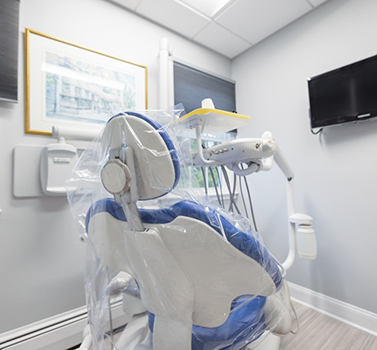
Following your dental implant surgery, your biggest priority will be to leave the forming blood clot untouched so that your healing process goes smoothly. To ensure that this happens, follow these important guidelines:
- Never spit. Instead, use tissues or swallow your saliva.
- Do not use drinking straws.
- Do not smoke for at least the first day.
- Do your best to keep your fingers and tongue away from the surgical site or sites.
Common Side Effects When Recovering from Dental Implant Placement

It is completely normal to experience some side effects, especially in the first few days after your dental implants are placed. These may include:
- Intermittent bleeding can be lessened with gauze and light pressure. This could occur for multiple days.
- Swelling over the first 72 hours. This could last over a week. You can apply cold or warm compresses to help with pain and swelling.
- General discomfort; take prescribed or OTC medication to alleviate pain.
Each of the above effects should only be temporary and will gradually subside with time.
Your Diet Following Dental Implant Surgery

For the first few days after your surgery, we recommend sticking to a softer diet. The best foods include:
- Mashed potatoes
- Yogurt
- Ice cream
- Pudding
- Soup (not extremely hot)
- Scrambled eggs
- Pasta
You can resume a normal diet as soon as you feel up to it. However, we recommend limiting overly crunchy or tough foods and avoiding any direct chewing on the implant site for several weeks.
Dental Implant Post-Op Health & Oral Hygiene
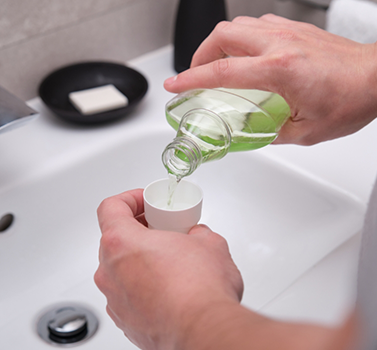
The day after your surgery, it is okay to brush your teeth as usual, but you should be very careful near the surgical sites. Rinse your mouth out two or three times a day (ideally after each meal) with salt water or use prescription mouthwash if you have it.
Be sure to avoid any mouthwashes that contain high levels of alcohol, such as Scope or Listerine.
What to Do After Your New Teeth Are Attached
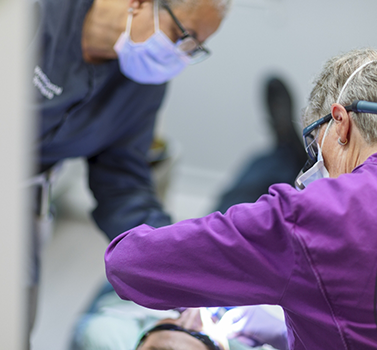
If your new crown(s), bridge, or denture is attached to your dental implants, you may experience some minor, temporary sensitivity in your gum tissue. This is usually easy to control with an OTC pain reliever. There should not be any swelling, bleeding, or extensive recovery.
Maintaining & Caring for Dental Implants
For your dental implants to last as long as possible and look their best, it’s important to take good care of them, and our dental specialists and staff have plenty of tips to keep in mind. If you ever have any specific questions or concerns, please don’t hesitate to reach out directly.
Make Oral Hygiene a Priority
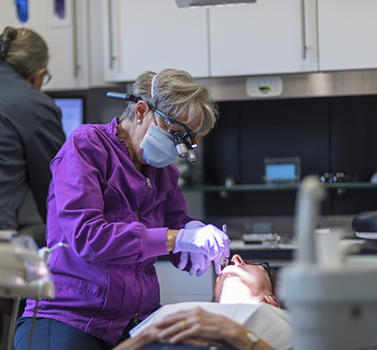
A good routine will help prevent bone and tooth loss by mitigating bacterial growth and will also keep your new smile brilliant and bright. Here’s what you should do:
- Brush your teeth twice daily for two minutes each session
- Floss between your teeth once daily, or use a water flosser to remove hard-to-reach debris
- Rinse your mouth with an ADA-approved mouthwash
- Visit us twice a year for a professional checkup and cleaning
Eat a Healthy Diet

A healthy, balanced diet can improve many aspects of your overall wellness, and naturally, that includes your teeth. The occasional potato chip or slice of cake is perfectly fine, but eating too many sugary, starchy foods over time will contribute to bacterial buildup. Make sure you’re eating plenty of fruits, vegetables, and lean proteins.
Break Bad Habits

Chewing on objects that aren’t meant for consumption – like fingernails, ice cubes, or pens or pencils – can prematurely wear down your teeth and dental implants. Smoking, too, can cause serious complications and result in tooth loss. Try to break your bad dental habits, and don’t hesitate to ask us for help or resources.
Protect Your Dental Implants
If you play sports, lead an active lifestyle, or grind or clench your teeth when you’re stressed, it’s important to get a custom mouthguard that will help protect your smile. We can fit you with a traditional athletic mouthguard or a special nightguard that will help with teeth grinding and clenching.
Schedule Regular Dental Checkups
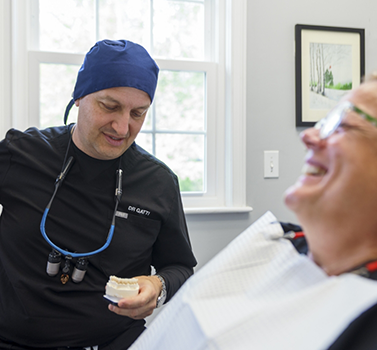
Why do dentists recommend coming in for biannual checkups and cleanings? One reason is that we have special tools that are better equipped for eliminating harmful plaque and tartar than your toothbrush. Another is so that we can monitor your oral health and dental implants. When complications are caught early, they’re much easier to treat.
Dental Implant FAQs
Does Getting Dental Implants Hurt?
Receiving dental implants isn’t nearly as uncomfortable as it sounds. In fact, most patients say they feel some pressure, but not pain. At Weston Dental Specialists Group, we use modern techniques and anesthetics to ensure you’re comfortable during the process.
After the procedure, mild soreness or swelling is normal but can usually be managed with over-the-counter pain relievers. If you have concerns about the treatment process, our team is happy to listen and answer any questions you may have. Our ultimate focus is to make your experience as stress-free as possible, so let us know how we can help.
Are Dental Implants Safe?
Dental implants are a highly safe and effective solution for replacing missing teeth. In fact, they’re one of the most successful treatments in dentistry! Our board-certified prosthodontists near Wayland have trained extensively in the most modern techniques for tooth replacement, and they take every precaution when placing and restoring your dental implants.
The implants themselves are made from titanium, which is a highly biocompatible material that will fuse with your jawbone. Once your healing period is complete, your implant can last a lifetime with proper care! Complications are very rare, but if they do happen, we’ll schedule a follow-up appointment with you to get your treatment back on track.
How Can I Tell If My Dental Implant Is Failing?
While rare, dental implant failure can happen due to infection, bone loss, or an interrupted healing process. Warning signs include:
- Persistent pain or discomfort around the implant site.
- Gum swelling, redness, or bleeding.
- Implant mobility or shifting.
- Difficulty chewing.
If you notice these symptoms, contact our team immediately for an evaluation. Catching the signs of implant failure quickly can often keep complications to a minimum and save your smile. Once your implant is placed, be sure to continue coming in for regular dental checkups and cleanings. These visits are key to preventing problems and ensuring your dental implant stays stable and healthy.
What Can Cause Dental Implants to Fail?
While dental implants don’t normally fail, they can stop working for various reasons. The two most common ones are peri-implantitis and failed osseointegration.
At its core, peri-implantitis is a form of gum disease that harms the bones and gums around your implant. It often loosens implant posts when left untreated, putting you at high risk of implant failure. It also causes traditional gum disease signs like recession, swelling, and more.
Failed osseointegration (per its name) refers to when a dental implant doesn’t fuse with your jaw. It usually occurs in patients with low jawbone density, preventing an implant post from being held securely.
Am I Too Old to Get Dental Implants?
Age alone is very rarely a barrier to dental implants. As long as you have sufficient bone density and good overall health, implants can be an excellent option at any age. Many older patients prefer implants because they provide a far more stable and permanent solution compared to dentures.
At Weston Dental Specialists Group, our experts and world-class team will give your mouth a thorough examination and discuss your medical history with you before your surgery. This initial consultation will help determine if dental implants are right for you.
How Successful are Dental Implants?
As long as they’re placed by a skilled dentist (such as a prosthodontist like the doctors at Weston Dental Specialists Group), dental implants tend to be very successful. In fact, they have an average ten-year success rate of over 95%!
All that said, whether your dental implants succeed depends on your actions. These restorations need care and maintenance to work, so neglecting them over time could lead to their failure. You must look after them with good oral hygiene, routine checkups, and a healthy diet to ensure they last a long time.
Some non-lifestyle factors impact implant success. For example, dental implants that replace molars are more likely to fail over time since they receive more strain from chewing than front teeth. Our team will do everything in our power to help your dental implants succeed in the long-term.
Will I Have to Take Off Work for Dental Implant Surgery?
It is crucial that you take time off from work for dental implant surgery; you can’t recover from treatment instantly. Still, most patients only need a day or two off before they’re ready to resume their jobs.
Every case is different. You may need to take more (or less) time off than the average patient, depending on your situation. For example, a patient who gets preliminary procedures before implant treatment should schedule additional downtime. The same could apply to someone with a physically demanding job, as heavy exercise can prolong healing.
How Long Does Dental Implant Surgery Take?
The final timeline mostly depends on how many implants you get at once. Our dentists can often place a single implant in just one or two hours of treatment. In most cases, this time is needed to administer anesthesia, dress you for a surgical environment, and actually place the implant post. It’s only natural that receiving more implants will extend the time it takes