
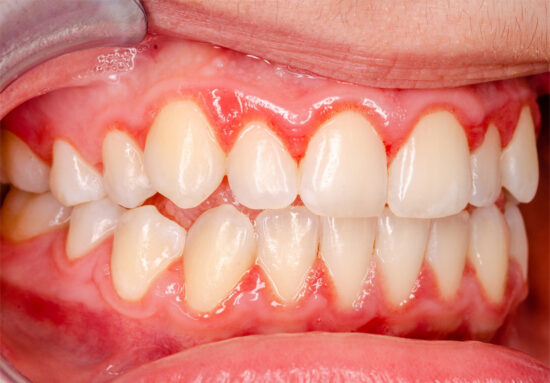
Gum disease is commonly linked to several overall health issues, some of which include cognitive decline (Alzheimer’s and dementia) and cardiovascular disease. But did you know it can also affect the way you breathe? Respiratory illness is also considered a potential risk for those with bleeding, inflamed, and infected gum tissue, which is why it’s important to read on to learn what you can do to avoid this problem.
- Website activity: Data about your browsing activity on our website.
- Device and browser information: Technical information about the device or browser you use to access our website. For example, your device’s IP address, and (in the case of mobile devices) your device type and mobile device’s unique identifier such as the Apple IDFA or Android Advertising ID.
- Contact Information: If you choose to provide your name, email address or phone number.
- Customer Service Information: Information you may provide to customer service including survey responses.
- Financial Information: Credit card number or other payment account information.
- Third party information: We may collect additional information about you from third party sources where we have the rights to do so.
- No mobile information will be shared with third parties/affiliates for marketing/promotional purposes. All the above categories exclude text messaging originator opt-in data and consent; this information will not be shared with any third parties.
- Website activity: Data about your browsing activity on our website.
- Device and browser information: Technical information about the device or browser you use to access our website. For example, your device’s IP address, and (in the case of mobile devices) your device type and mobile device’s unique identifier such as the Apple IDFA or Android Advertising ID.
- Contact Information: If you choose to provide your name, email address or phone number.
- Customer Service Information: Information you may provide to customer service including survey responses.
- Financial Information: Credit card number or other payment account information.
- Third party information: We may collect additional information about you from third party sources where we have the rights to do so.
- No mobile information will be shared with third parties/affiliates for marketing/promotional purposes. All the above categories exclude text messaging originator opt-in data and consent; this information will not be shared with any third parties.
- Customer Service Information: Information you may provide to customer service including survey responses.
- Financial Information: Credit card number or other payment account information.
- Third party information: We may collect additional information about you from third party sources where we have the rights to do so.
- No mobile information will be shared with third parties/affiliates for marketing/promotional purposes. All the above categories exclude text messaging originator opt-in data and consent; this information will not be shared with any third parties.
How Are Gum Disease & Respiratory Illness Linked?
It may seem obvious that the mouth and body are closely linked. Still, many individuals do not realize that what happens inside the oral cavity can directly affect their organs and other nearby areas.
The lungs allow you to breathe successfully. When healthy, they can safeguard against infection and bacterial attacks; however, when they are diseased, harmful particles can easily spread and increase the risk of serious health problems, such as pneumonia, asthma, and COPD (chronic obstructive pulmonary disease).
When gum disease exists, bacteria grow and spread. Inhaling saliva droplets that contain these harmful particles can reach the lungs and cause inflammation that inhibits the airway. As a result, you may notice difficulty breathing.
What Can You Do to Prevent Gum Disease and Lung Issues?
The most important factor for preventing gum disease is staying on top of your oral hygiene routine. Daily brushing and flossing are essential for reducing plaque and tartar buildup that cause gum disease. You will need to use a soft-bristle toothbrush and brush for two minutes, twice a day, as well as floss at least once before going to bed. You can also rinse with a mouthwash that is designed to prevent gum disease.
You will also need to:
- Regularly see your dentist for checkups and cleanings (biannually)
- Seek professional gum disease treatment if you notice bleeding, swelling, and tenderness
- Give up unhealthy habits, including smoking, to ensure a healthier immune system that can fight off infections
- Adopt a healthy diet that consists of foods that reduce inflammation and keep gums healthy (leafy greens, lean proteins, nuts, etc.)
- Drink lots of water to flush out harmful bacteria, encourage good saliva production that can neutralize acids, and keep you hydrated
By following these tips and making positive changes to your daily lifestyle, you can continue to enjoy life with a healthier smile and lungs.
About the Practice
Weston Dental Specialists Group consists of a team of prosthodontists and periodontists, many of whom are board certified. Offering a wide range of specialty services designed to treat poor gum health and rebuild smiles with one-of-a-kind prosthetics, we can help patients overcome low self-esteem and years of oral neglect and embrace healthier smiles for the future. If you need help with bleeding, inflamed gums, contact us at (781) 894-0347 to schedule an appointment.